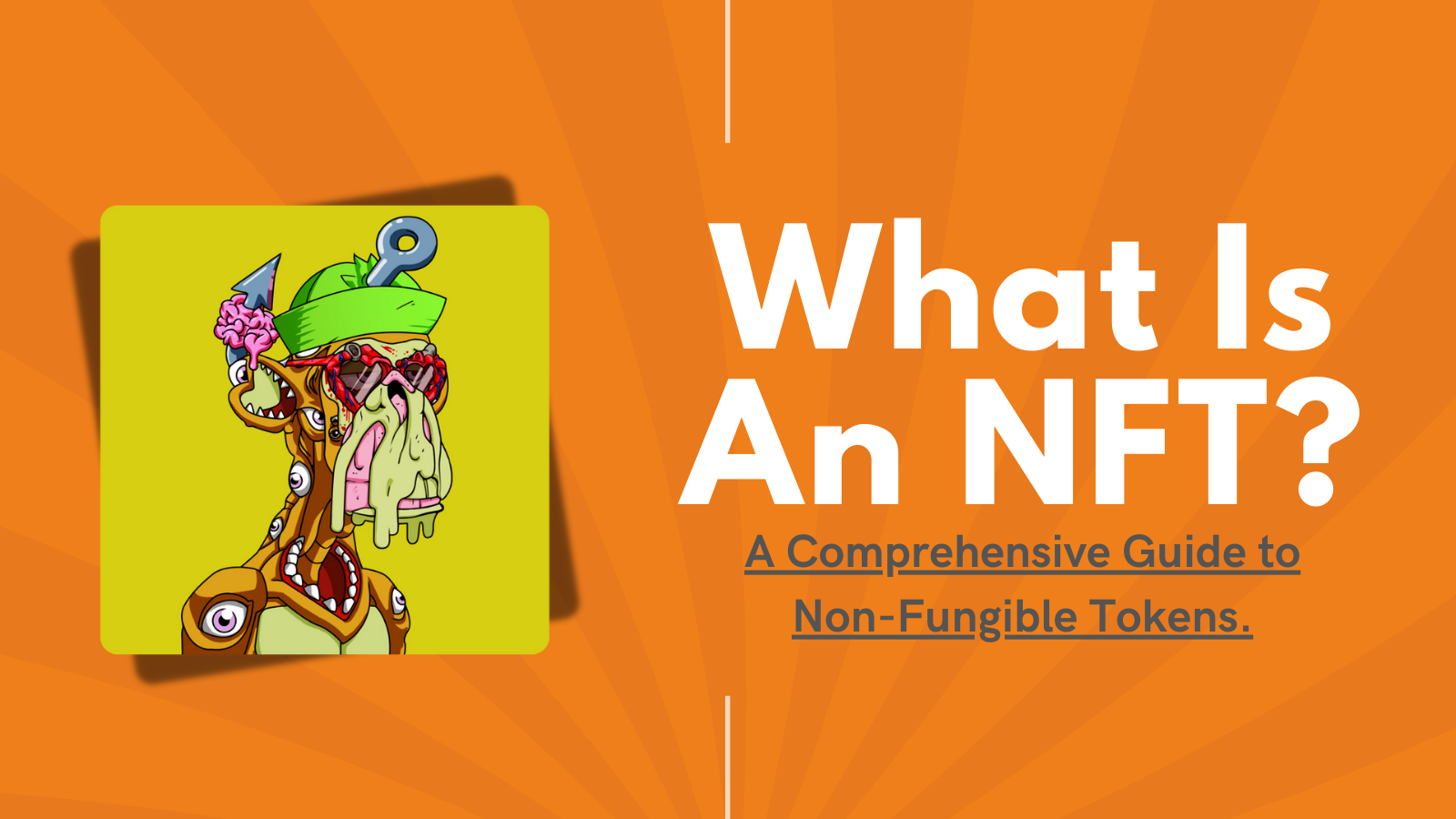
What is an NFT? A Comprehensive Guide to Non-Fungible Tokens
Non-fungible tokens (NFTs) have become a prominent topic in the digital world, revolutionizing how we perceive ownership and value of digital assets. This article provides a comprehensive overview of NFTs, exploring their definition, history, functionality, benefits, and concerns.
What is an NFT?
NFT stands for "non-fungible token." Fungibility refers to the ability of an asset to be interchanged with another of the same kind. For example, one Bitcoin is always equal in value to another Bitcoin, making them fungible. NFTs, however, are unique and cannot be replaced by another identical item.
An NFT is a digital asset that represents ownership of a unique item, which can be anything from digital art and music to in-game items, videos, memes, and even real-world assets. NFTs utilize the same blockchain technology that underpins cryptocurrencies, but their purpose is fundamentally different. They serve as proof of ownership, verifying the authenticity and scarcity of the represented asset.
How Do NFTs Work?
NFTs are created through a process called "minting." This involves encrypting the asset's information and recording it on a blockchain, creating a unique token with a specific identifier. This identifier is linked to a blockchain address, publicly verifying the owner of the token.
The minting process often involves smart contracts, which automate ownership transfer and manage NFT transactions. Even if multiple NFTs of the same item are minted, each token possesses a distinct identifier, distinguishing it from the others.
Different blockchains can support NFTs. For instance, on the Bitcoin blockchain, they are known as "Ordinals," which assign serial numbers to satoshis (the smallest Bitcoin denomination).
A Brief History of NFTs
NFTs existed before their mainstream popularity. One of the earliest examples is "Quantum," created by Kevin McKoy in 2014. However, the NFT market gained significant traction in 2021, notably with the sale of Beeple's digital art collage for over $69 million.
NFTs adhere to specific technical standards, primarily ERC-721 and ERC-1155, which define aspects like ownership transfer and transaction confirmation.
Examples of NFTs
- Digital Art and Collectibles: These were among the first prominent NFT use cases, including collections like CryptoPunks, Bored Ape Yacht Club, and CryptoKitties (digital cats with unique attributes).
- Photography: Photographers can tokenize their work, allowing for fractional ownership and direct connection with buyers.
- Sports and Trading Cards: NFTs can represent digital collectibles related to athletes and sports moments.
- Music: Artists can tokenize their music, offering buyers varying rights and benefits.
- Virtual Worlds and Domain Names: NFTs can grant ownership of digital property within virtual environments or represent ownership of website domain names.
- Utility NFTs: These provide holders with access to exclusive content, communities, or real-world benefits.
Benefits of NFTs
- Market Efficiency: NFTs can streamline buying, selling, and trading processes by removing intermediaries and reducing fraud risk.
- Ownership Verification: NFTs provide irrefutable proof of ownership of digital and real-world assets.
- Accessibility and Fractional Ownership: NFTs can democratize access to high-value assets by enabling fractional ownership.
- New Revenue Streams for Creators: NFTs provide creators with new ways to monetize their work and connect with fans.
- Enhanced Security: Blockchain technology provides a secure and transparent platform for storing and managing NFTs.
Concerns About NFTs
- Copyright and Authenticity: Although NFTs verify ownership of a token, the underlying digital asset can be easily copied.
- Liquidity: The NFT market can be illiquid, making it difficult to sell NFTs quickly, especially if they lose popularity.
- Environmental Impact: Some blockchains use energy-intensive consensus mechanisms, raising environmental concerns.
- Volatility: The NFT market is known for its volatility, making it a risky investment.
Making Money with NFTs
The value of an NFT depends on several factors, including:
- Scarcity and Rarity: Unique or limited-edition NFTs tend to be more valuable.
- Demand and Popularity: NFTs associated with popular artists, brands, or trends command higher prices.
- Utility and Functionality: NFTs with real-world or digital utility are often more sought after.
NFTs can appreciate in value over time, generating profit for sellers. However, there is also a risk of loss if the NFT's value declines.
The Bottom Line
NFTs represent a significant development in the digital economy, offering new possibilities for ownership, value transfer, and creator monetization. While concerns remain about copyright, liquidity, and volatility, the underlying technology holds considerable potential for various industries and applications. As the NFT landscape evolves, it's essential to conduct thorough research and understand the associated risks before investing.
The comments, opinions, and analyses expressed in this content are intended solely for informational and educational purposes. They should not be construed as financial, investment, legal, or tax advice. Individuals should seek advice from a qualified financial advisor or professional tailored to their specific circumstances before making any investment decisions or taking any financial actions. Always conduct your own research and due diligence to ensure your financial goals align with your chosen strategies.